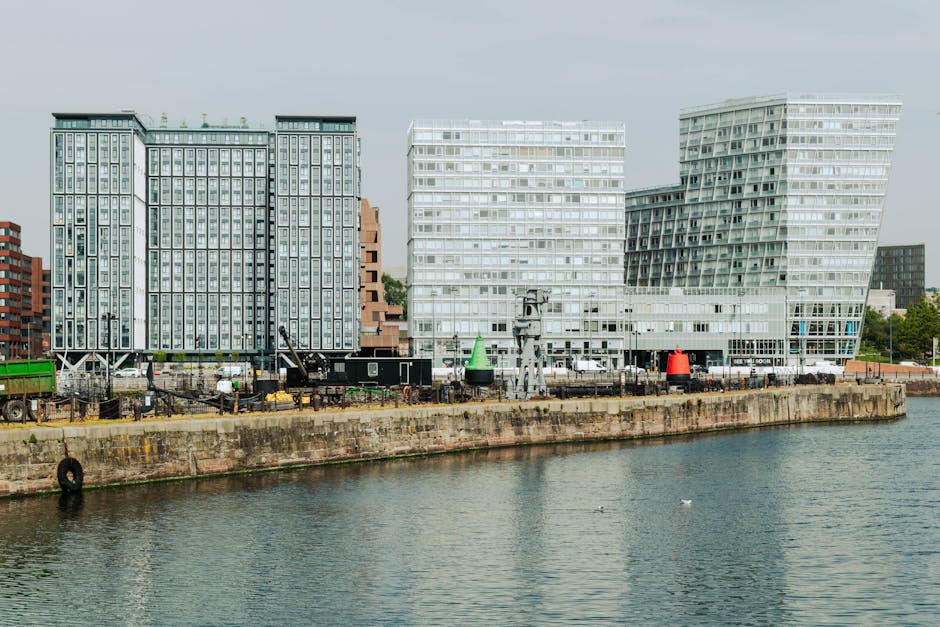
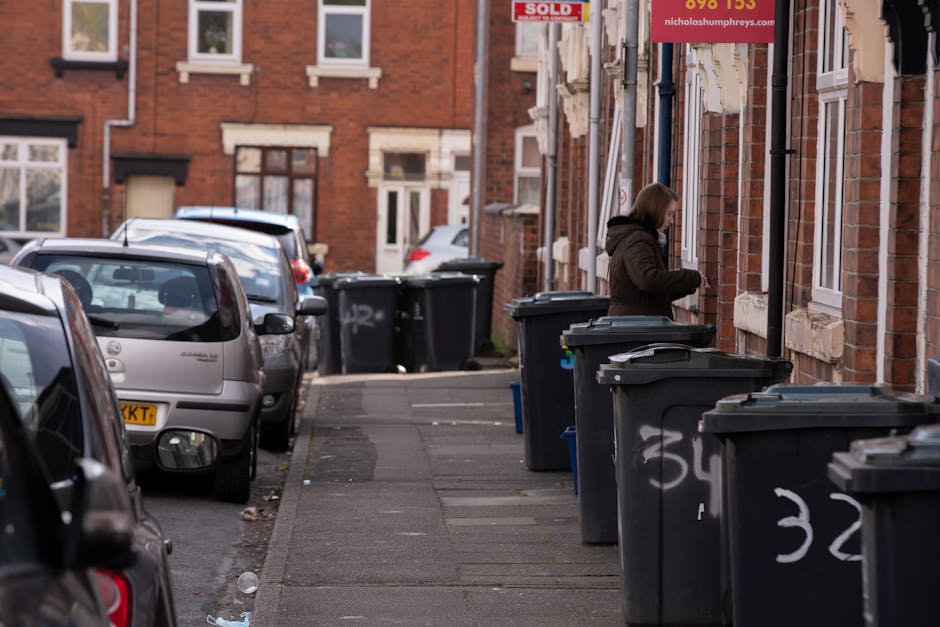
South Quay Estate: Fast Rubbish Collection for Flats
If you live in a flat at South Quay Estate, you already know the little problems can build up fast. A broken wardrobe in the hallway. A sofa that will not fit in the lift. Two bin bags waiting by the door because the refuse area is already full. It only takes one busy week and suddenly the place feels cluttered, awkward, and a bit stressful. That is where South Quay Estate: Fast Rubbish Collection for Flats becomes genuinely useful.
This guide explains how flat rubbish collection works, why speed matters in a development like South Quay Estate, what to expect from a professional service, and how to avoid the usual headaches. Whether you need one bulky item gone or a fuller flat clearance, the aim is simple: help you get things out quickly, safely, and without turning a normal day into a logistics puzzle.
We also cover practical steps, common mistakes, and the kind of checks that save time later. Truth be told, flat clearance sounds straightforward until you are carrying a mattress down three flights of stairs on a wet Tuesday. Not ideal.
Why South Quay Estate: Fast Rubbish Collection for Flats Matters
In a flat, waste is never just waste. It affects access, safety, neighbours, and the feel of the whole home. At South Quay Estate, that matters even more because apartment living tends to be compact, shared, and time-sensitive. If rubbish lingers in a corridor, near a lift, or by a service entrance, it can block movement and create complaints very quickly.
Fast rubbish collection matters for a few practical reasons:
- Shared spaces stay usable. Hallways, lobbies, lifts, and bin stores need to remain clear.
- Bulky items become a nuisance fast. A dismantled desk or old mattress can dominate a small flat in minutes.
- Timing is tighter. Many residents work long hours, and no one wants waste sitting around all day.
- Access can be tricky. Flats often involve stairs, lifts, parking restrictions, and managed entry points.
There is also a neighbourly side to it. In a building where people live close together, one person's delay can become everyone else's inconvenience. To be fair, most residents do not mean to let rubbish pile up; it just happens when life is busy. But a fast, planned collection keeps things from snowballing.
For larger clear-outs, the difference between "soon" and "today" can be huge. Maybe you are moving out, maybe a tenant has left items behind, or maybe the spare room has become a storage graveyard. Either way, the faster the rubbish is removed, the easier it is to get the flat back to normal.
If you are comparing services, it helps to look at the broader options too. For example, a dedicated flat clearance service can be more suitable than a standard van-and-dump run if you have furniture, mixed waste, or multiple items to clear at once.
How South Quay Estate: Fast Rubbish Collection for Flats Works
The process is usually simpler than people expect, but the details matter. A good flat rubbish collection service works around access, item type, urgency, and disposal rules. The goal is to remove waste efficiently without causing disruption in the building.
Typical process
- Initial enquiry. You explain what needs removing, where the flat is, and whether access includes lifts, stairs, or parking constraints.
- Quote or estimate. A provider may give a price based on item volume, waste type, labour needed, and any special handling.
- Booking a timeslot. Fast collections are often arranged for the same day or next available slot, depending on demand.
- Arrival and assessment. The team checks access, confirms what is going, and plans the safest route out.
- Removal. Items are carried out, sorted, loaded, and taken for appropriate disposal, reuse, or recycling.
- Site tidy-up. The area is left clear. That bit sounds obvious, but you would be surprised how often it saves an extra headache.
In flats, the "how" is just as important as the "what." A bulky item might need to be dismantled. A mixed load might contain reusable furniture, recyclable materials, and general rubbish. A careful team should handle that in a way that is tidy and sensible, not rushed and careless.
If your clearance includes a mix of household items, you may also find home clearance support useful, especially where the flat needs more than a simple bin-bag removal.
What makes it fast
Speed usually comes from planning and experience. A team familiar with apartment blocks can anticipate lift size, entrance routes, parking limitations, and building rules. That means fewer delays and fewer awkward back-and-forth moments at the front desk or reception.
A fast collection is not about rushing. It is about being efficient. There is a difference, and a good provider knows it.
Key Benefits and Practical Advantages
There are plenty of reasons residents choose fast rubbish collection for flats, but the strongest benefits are practical, not flashy.
| Benefit | What it means in real life | Why it matters in a flat |
|---|---|---|
| Speed | Items are removed quickly, often without waiting days | Less clutter in shared and private spaces |
| Convenience | You avoid hiring a vehicle or moving heavy items yourself | Safer and easier in tight stairwells or lifts |
| Space recovery | Rooms become usable again | Useful for moving, decorating, renting, or working from home |
| Reduced stress | No need to coordinate multiple trips to the tip | Especially helpful for busy residents or families |
| Better sorting | Waste can be separated from reusable or recyclable items | Supports responsible disposal and less landfill waste |
One underrated benefit is timing. If you are preparing for a letting inspection, a sale, or a new tenant check-in, fast rubbish removal can prevent that horrible last-minute scramble. You know the one: bags in the corner, one broken chair in the bedroom, and not enough daylight left to sort it properly.
Another useful advantage is physical safety. Carrying bulky items through communal areas is where people strain backs, nick walls, or scratch floors. A professional team reduces that risk, which matters more than people think.
And yes, there is a mental benefit too. A clear flat often feels calmer almost immediately. Less noise in your head, if that makes sense.
Who This Is For and When It Makes Sense
Fast rubbish collection at South Quay Estate is not just for one type of resident. It suits anyone in a flat who needs waste removed quickly and neatly.
- Residents moving out who need old items gone before check-out.
- Landlords and agents dealing with leftover belongings after a tenancy.
- Homeowners or leaseholders clearing a storage-heavy flat.
- Tenants refreshing a space after replacing furniture, appliances, or flooring.
- People handling bereavement or major life changes who need a respectful, practical clearance.
- Anyone with bulky waste that will not fit into standard bin collections.
It also makes sense when the job is awkward rather than huge. A single mattress, several broken cupboards, a sofa that has seen better days, or builder's waste after a small renovation can be enough to justify a fast collection. No need to turn it into a weekend project unless you genuinely want to. Most people do not.
If your situation involves heavy or awkward furniture, it may be worth looking at furniture disposal options so the load is handled in the right way from the start.
Step-by-Step Guidance
If you want a smooth collection, a little preparation goes a long way. Here is the process we recommend for flat residents who want things done properly.
1) Sort what stays and what goes
Walk through the flat room by room. Keep items you need in a separate pile or room, and make the rest easy to identify. If a crew arrives and half the flat is still undecided, the job slows down. Simple as that.
2) Group items by type
Put similar items together if possible: furniture, bagged rubbish, electrical items, cardboard, and mixed waste. That makes loading faster and can help with recycling later.
3) Check access details
Confirm the floor level, lift size, parking situation, entry codes, concierge rules, and any restrictions on service hours. At South Quay Estate, this matters more than people expect. A ten-minute access issue can easily become a thirty-minute delay.
4) Flag anything unusual
Paint tins, fridges, sharp materials, or heavy building waste may need special handling. Mention them in advance. It is much easier than solving the problem at the door with a van waiting outside and everyone mildly stressed.
5) Book the right kind of service
If the job is small and straightforward, a simple rubbish collection may be enough. If it includes furniture, mixed household items, or a more complete clear-out, a broader service like waste removal or furniture clearance could be the better fit.
6) Prepare the route out
Move small obstacles out of hallways if you safely can. Keep pets and children away from the path, and if there is communal access, let neighbours know if needed. A clear route saves a lot of faff.
7) Ask for confirmation of disposal
It is reasonable to ask how items will be handled. Reuse, recycling, and proper waste transfer matter. A trustworthy provider should explain the process without making it sound like a secret mission.
Expert Tips for Better Results
Here are a few practical tips that make a real difference, especially in apartment blocks.
- Book earlier than you think. Fast services are often quicker when the provider has clear photos and an item list in advance.
- Be honest about volume. Underestimating the load can lead to rebooking or extra cost.
- Disassemble where sensible. Flat-pack furniture, bed frames, and some shelving units are easier to remove in parts.
- Keep valuables separate. Documents, chargers, remotes, and small personal items can get overlooked in a cluttered room.
- Think about the end goal. Are you clearing for sale, for cleaning, for a new tenant, or just for breathing space? That changes the priority.
One small but useful habit: take quick photos before the job starts. It helps you remember what was agreed, and it can be useful if you are managing the property remotely. Nothing dramatic, just a sensible record.
If the job involves more specialist clearances, such as after a renovation or small refurb, a service like builders waste clearance may be the better match.
Expert summary: The best flat rubbish collection jobs are the ones that feel boring in the right way. Clear access, clear expectations, and a clear finish. That is what saves time, reduces stress, and keeps the building running smoothly.
Common Mistakes to Avoid
Most clearance problems come from a few familiar mistakes. They are easy to make, especially when you are rushed.
Leaving it until the last minute
This is the classic one. You wait, then the lift booking is awkward, the bins are full, and the collection slot you wanted is gone. Happens all the time.
Assuming everything can go together
General rubbish, electricals, furniture, and construction debris may need different handling. Mixing everything up can slow the job and create disposal issues.
Ignoring building rules
Some blocks have access windows, loading rules, or restrictions on where vehicles can stop. If you skip that step, the collection may still happen, but it might not happen smoothly.
Forgetting hidden items
People often remember the sofa and forget the drawers full of bits and pieces. Or the cupboard above the fridge. Or the box in the balcony corner that has been there since winter. Those small things add up.
Choosing only on price
The cheapest option is not always the best value. A low quote with poor planning can cost more in delays, missed access, or extra handling.
If you want to avoid surprises, check the provider's pricing guidance before you book. The page on pricing and quotes is a good place to start when you are comparing your options.
Tools, Resources and Recommendations
You do not need a lot of gear for a flat collection, but a few simple tools and resources can make the process easier.
- Strong bin bags or sacks for loose household rubbish.
- Basic packing tape for closing cardboard boxes and keeping small parts together.
- Labels or sticky notes to mark items that are definitely going.
- Measuring tape if you need to check lift width, doorway clearance, or bulky furniture dimensions.
- Phone photos to share access points and item lists with the collection team.
It also helps to look at the provider's wider service pages so you understand what kind of job you are booking. For example, a full house clearance may cover larger or more complex loads, while a loft clearance is useful if the items have been stored away for years and are a bit dusty, a bit awkward, and frankly, slightly mysterious.
If your priority is responsible disposal, check the company's sustainability guidance too. A good starting point is recycling and sustainability. That gives you a better sense of how reusable and recyclable items are handled.
For practical reassurance on safety and handling, the health and safety policy and insurance and safety information are worth checking as part of your decision-making. Boring? Maybe a little. Useful? Absolutely.
Law, Compliance, Standards, or Best Practice
Rubbish collection in the UK should be handled responsibly, and that matters whether you are clearing one bag or a whole flat. You do not need to become a compliance expert, but a few basics are worth knowing.
First, waste should be taken to appropriate facilities and handled by a responsible operator. As a resident, you want confidence that items are not being dumped illegally or handled carelessly. Good providers should be able to explain how waste is transferred and sorted.
Second, some waste types need extra care. Electrical items, sharp materials, and anything potentially hazardous should not simply be bundled in with general rubbish. If you are unsure, ask before the collection day. It is better to ask a slightly obvious question than to guess.
Third, if there are communal areas in the estate, the collection should avoid causing damage, obstruction, or unnecessary disruption. That is basic best practice, but it is also part of being a decent neighbour in a dense residential setting.
Finally, if you are comparing service providers, look for clear policies rather than vague promises. Transparent information on payment, safety, complaints, and access arrangements helps build trust. You may also find the payment and security details and complaints procedure helpful if you want to understand how the business handles issues professionally.
That sort of openness matters. Not glamorous, but it does the job.
Options, Methods, or Comparison Table
Different clearance methods suit different situations. Here is a simple comparison to help you choose the right route for a flat at South Quay Estate.
| Method | Best for | Pros | Limitations |
|---|---|---|---|
| Self-removal | Very small loads and vehicle access you can manage yourself | May feel cheaper upfront | Time-consuming, physically demanding, and not ideal for bulky items |
| Man and van style rubbish collection | Quick removal of mixed household waste | Flexible and relatively fast | May not suit more complex clearances or very large furniture |
| Flat clearance service | Multiple items, furniture, and full or partial flat clear-outs | More comprehensive and practical for apartment living | Often priced by volume or job complexity |
| Specialist waste removal | Specific waste types or awkward loads | Better for compliance and sorting | Requires accurate description of the waste |
For many South Quay Estate residents, the best option is not the cheapest or the most extensive. It is the one that matches the job. A single broken unit? Simple collection may do. Clearing a flat before move-out? A fuller clearance is usually the safer bet.
Case Study or Real-World Example
Picture a flat on a busy weekday afternoon. A resident has sold a sofa online, replaced a broken desk, and discovered a stack of old cardboard boxes plus a few bits of mixed junk in the airing cupboard. Nothing dramatic, just enough to make the place feel untidy and cramped.
The building has lift access, but only during certain hours. The parking near the entrance is limited. The resident also wants everything gone before a carpet cleaner arrives the next morning. So the collection needs to be efficient, not casual.
In a situation like that, a good provider would usually:
- confirm the list of items in advance,
- check the building access rules,
- arrive with the right team size,
- remove the sofa carefully without marking walls,
- sort the cardboard and mixed waste appropriately,
- leave the flat ready for the next job.
The key thing is not the size of the job. It is the coordination. When the process is well managed, a morning that looked slightly chaotic can be wrapped up cleanly, and the flat feels normal again by lunchtime. Nice feeling, that.
Practical Checklist
Use this quick checklist before your collection day.
- Confirm exactly what needs removing.
- Separate anything staying in the flat.
- Check lift access, entry codes, and parking restrictions.
- Measure bulky items if they may be tight in corridors or doorways.
- Tell the provider about heavy, sharp, or unusual waste.
- Ask how furniture, reusable items, and recyclables will be handled.
- Make sure hallways and entrances are kept as clear as possible.
- Keep valuables, documents, and personal items away from clearance piles.
- Review the quote and the payment details before confirming.
- Have a contact number ready on the day in case timing changes.
Quick takeaway: The smoother the preparation, the faster the collection. Most delays come from missing information, not from the actual lifting and loading.
Conclusion
South Quay Estate is the kind of place where efficient rubbish removal really earns its keep. Flats are compact, access can be fiddly, and waste can become a nuisance fast. Whether you are clearing one bulky item or tidying a whole home, the right approach saves time, protects shared spaces, and keeps life moving.
The best results usually come from simple habits: be clear about the load, check access in advance, and choose a service that understands flat living. That combination makes the job easier for everyone involved. And in a busy London building, easier is usually better.
If you are planning a clearance soon, take the practical route and use a service that can handle the details properly from the start. A little organisation now means less stress later, which, lets face it, is worth a lot.
Get a free quote today and see how much you can save.
Frequently Asked Questions
How fast can rubbish be collected from a flat at South Quay Estate?
In many cases, fast collections can be arranged on the same day or next available slot, depending on demand, access, and the size of the job. The more detail you provide upfront, the easier it is to confirm a realistic timeframe.
Can bulky items be removed from flats with lifts or narrow stairwells?
Yes, usually. A good collection team will assess the route, check lift size, and plan the removal carefully. If an item needs dismantling first, that can often be arranged as part of the process.
Is fast rubbish collection suitable for just one item?
Absolutely. A single mattress, sofa, chest of drawers, or broken appliance can still justify a collection, especially if you do not have the means or time to move it yourself.
What kinds of waste can usually be collected from flats?
Common items include general household rubbish, furniture, cardboard, small appliances, and mixed clearance waste. Some items may need special handling, so it is best to mention them before booking.
Do I need to sort everything before the team arrives?
No, not always. But grouping items and separating anything that should stay makes the process much quicker. It also reduces the chance of accidental removal of personal belongings.
How do I know if I should book flat clearance rather than standard rubbish removal?
If the job includes multiple rooms, lots of furniture, or a mix of items that need more than simple bagging and loading, flat clearance is often the better choice. For smaller or simpler loads, waste removal may be enough.
Will the collection damage communal areas?
A careful provider should take steps to protect walls, floors, and shared access areas. It is reasonable to ask how they manage this, especially if items are large or awkward.
Can recyclable items be separated during collection?
Often, yes. Responsible operators usually sort items where possible so reusable or recyclable materials do not end up in general waste unnecessarily. You can ask about their recycling approach before confirming the job.
How should I prepare if I live on an upper floor?
Check lift access, reserve any required time slots, and make sure bulky items can fit through doorways or stair turns. If in doubt, share photos and measurements so the provider can plan properly.
Is fast rubbish collection more expensive than standard collection?
It can be, depending on urgency, access, and the amount of waste. That said, a fast service can still be cost-effective if it saves you time, avoids extra transport, or prevents delays in a move or tenancy change.
What if I need other clearance services as well?
If your job includes furniture, loft items, or more general household contents, it may be worth looking at related services such as furniture clearance or office clearance if the space includes work equipment.
How do I book a collection or ask a question first?
The simplest route is to make an enquiry through the contact page. If you have photos, rough item counts, and access details ready, the reply is usually much easier to tailor to your situation.