Office Clearance in Canary Wharf

Office clearance in Canary Wharf needs to be organised, discreet and practical, especially when desks, storage, archive material and mixed workplace furniture all have to be removed in a way that keeps the project moving. We provide a structured clearance service for offices, suites and commercial spaces in the area, with attention to access, sorting and responsible disposal. The aim is straightforward: clear the specified items cleanly, separate what can be reused from what must be removed, and leave the space ready for its next stage.
Our service covers a wide range of office contents, including desks, chairs, cabinets, shelving, meeting furniture, IT-related items and general business waste. Where useful, we can also assist with business waste removal for mixed commercial materials that need to be taken away alongside the main clearance. The work is planned around the layout of the premises, building access and the level of sorting required, so the process stays orderly from start to finish.
For a clearer idea of scope and timing, it often helps to list the main items that need removing, any restricted access points and whether the clearance is tied to a move, refit or end-of-tenancy handover. You can request a quotation once the scale of the work is known. If you already know that a broader clearance is needed, our team can also look at office clearance as the core service page for this work.
Workplace clearance for desks, storage and fitted items
Office environments rarely contain just one type of item, so a useful clearance plan has to account for a mixture of furniture, storage and loose contents. A typical job may include workstations, visitor seating, filing cabinets, pedestals, screens, partitions and other pieces that are too bulky or awkward to remove without careful handling. The objective is not simply to empty the room, but to do so in a way that protects the building and keeps usable items separate from general waste.
Where furniture is still in reasonable condition, there may be a decision to make between reuse, redeployment or disposal. That can affect the order in which items are removed and how they are grouped for collection. In some cases, businesses also want a coordinated approach that includes furniture clearance so that chairs, tables and other office furnishings are dealt with as one organised task rather than piecemeal. Clear labelling and simple grouping can make the work more efficient, especially when several teams or departments have used the same space.
Useful clearances are usually built around a practical sequence: identify the items to stay, separate anything to be moved, then remove the remainder in stages. If the office contains bulky cupboards, reception furniture or heavy storage units, the route out of the building matters as much as the item itself. For that reason, a sensible quotation is based on the type of contents, the floor level, access arrangements and the amount of sorting needed before removal begins.
Handling archives, IT items and mixed commercial contents

Many office clearances involve more than standard furniture. Archived files, boxed records, monitors, printers, phone equipment, keyboards and mixed storage items often need to be removed at the same time, but not always in the same way. Some materials may need to be separated for recycling or secure disposal, while others are simply part of the bulk clearance. A well-managed service pays attention to these differences so that the workplace is cleared without unnecessary confusion.
When a project includes both furniture and general contents, the removal plan is often easier if the most sensitive or time-dependent items are addressed first. That might mean moving records into a designated area before the main clearance, or removing redundant equipment before larger pieces are tackled. For businesses dealing with a broader change in premises use, waste removal can be a helpful reference point for the wider range of materials that may come out of an office during a clearance.
Not every item should be treated the same way, which is why item-by-item sorting is often worthwhile. Clearance work is more effective when the contents are categorised into furniture, equipment, paper waste and miscellaneous materials before removal begins. That approach supports better planning, helps avoid backtracking and reduces the chance of leaving awkward pieces behind in cupboards, side rooms or storage zones that are easy to miss during a rushed job.
Planning a commercial clearance around your building and schedule
Office clearance in Canary Wharf can involve shared entrances, lifts, loading arrangements and time windows that need to be respected. A sensible plan takes account of the building layout, the amount of material to be removed and how much disruption the business can tolerate while work is in progress. In practical terms, that means planning the sequence carefully, working methodically and making sure the clearance matches the constraints of the site rather than forcing the site to fit the clearance.
Before the work begins, it helps to define what is staying, what is going and which areas are included. Photos, an inventory or a simple room-by-room list can make the quotation more accurate, particularly where the office has several storage points or a mix of contents spread across suites. If you are comparing different types of commercial work, builders waste clearance can also be relevant where an office has recently been altered, refitted or prepared for handover and there is extra debris to remove alongside the main contents.
The quotation is usually shaped by access, volume, item type and the level of sorting or lifting involved, rather than by the office name alone. A smaller room full of dense filing can take more effort than a larger space with easier-to-move furniture. When you are ready, ask for a quotation based on the actual contents and access details, so the plan reflects the work that really needs to be done.
Clearance for relocation, downsizing and office reconfiguration
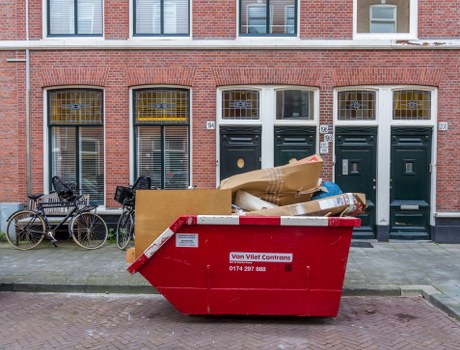
Offices do not always close completely; sometimes they are being reduced, reconfigured or refreshed. In those cases, the clearance has to work around what will remain in use while unwanted items are removed in a controlled order. That may involve taking out surplus desks, breaking down redundant storage, or clearing meeting room furniture so the layout can be changed without leaving clutter in the way of contractors or staff.
We also handle clearances that sit alongside a move or a change of tenant, where the main objective is to leave the premises clear of unneeded contents. In those situations, a coordinated approach is especially useful because one room may contain reusable furniture, another may hold old electronics and a third may contain mixed waste. If the job focuses on a smaller set of items, flat clearance can provide a useful comparison for understanding how a room-by-room removal process is organised, even though the setting is different.
Where furniture is being removed before a relocation, timing matters. Leaving a workable route through the space can make it easier to finish packing, move documents and complete any final checks. The most efficient clearances are those that respect the business’s sequence of events, rather than forcing everything out at once. That is why it helps to decide early which contents are to be removed, which are staying and which need special handling.
What is usually removed during an office clearance
Typical office clearance work can include desks, task chairs, filing cabinets, shelves, reception units, storage boxes, small tables, printers and other non-fixed contents. Some premises also have breakout furniture, pedestal drawers, loose partition components and mixed items from cupboards or storage rooms. A clear scope is important because it helps define the amount of labour involved and avoids misunderstandings about what is included in the job.
In some offices, the contents are spread across multiple zones, such as workstations, conference rooms, reception areas and archive cupboards. That can turn a simple removal into a more detailed clearance, especially when items need to be checked, sorted and carried through a shared building. If you want a more general overview of internal clearances, home clearance shows the type of organised process often used when a property contains several rooms with different item types, although commercial premises naturally have their own requirements.
Useful preparation usually focuses on three things:
- identify the rooms and items to be cleared
- separate anything staying, being reused or needing special attention
- note access details such as lifts, loading areas and time restrictions
Recycling, reuse and responsible disposal

Office clearance is not only about removing bulky items; it is also about dealing with them in a sensible order afterwards. Some contents may be suitable for reuse, while others need to be broken down into material streams for recycling or disposal. That might include separating furniture components, mixed office waste and other contents that cannot simply be treated as one undifferentiated load. A careful process makes this more manageable and keeps the clearance organised.
Where possible, the service is approached with reuse and recovery in mind, especially for furniture that is still structurally sound but no longer required on site. Larger commercial clearances can also create mixed loads that include wood, metal, plastic and paper-based materials, so a sorted approach is helpful even before the items leave the premises. For businesses that want to understand wider sustainability considerations, recycling and sustainability is a relevant supporting page linked to how different materials may be treated.
Not every item has the same disposal route, and that is why a careful breakdown matters. A heavy cabinet, a stack of office chairs and a box of obsolete stationery may all leave the building in the same clearance, but they do not need to be managed in the same way. When the job is structured properly, the result is a cleaner handover and a clearer record of what has been removed.
Understanding office clearance quotations
Price is normally influenced by the amount of material to be removed, how easy it is to access, the number of floors involved and whether the contents require sorting before loading. An office with straightforward access and light furniture may be simpler to clear than a smaller suite with dense storage, awkward items and limited lift use. Because of that, an accurate quotation is best based on the actual site conditions rather than a broad guess from a room description alone.
The most useful information is usually concise and specific: the type of office, the approximate volume of items, the kind of furniture present and any restrictions on access or timing. If the job also involves redundant desks and chairs from a wider internal refresh, furniture disposal may help clarify how unwanted items are handled once they are removed from the premises. That is especially relevant where the office contains a mix of reusable and non-reusable contents.
Try to think about the clearance as a practical sequence rather than a single lift-and-go task. A quote is more reliable when the work can be pictured clearly: what is in each room, what needs to stay, and whether there are any items that need to be dismantled first. With that information in hand, it is easier to compare options and choose the right scope for the job.
About Canary Wharf
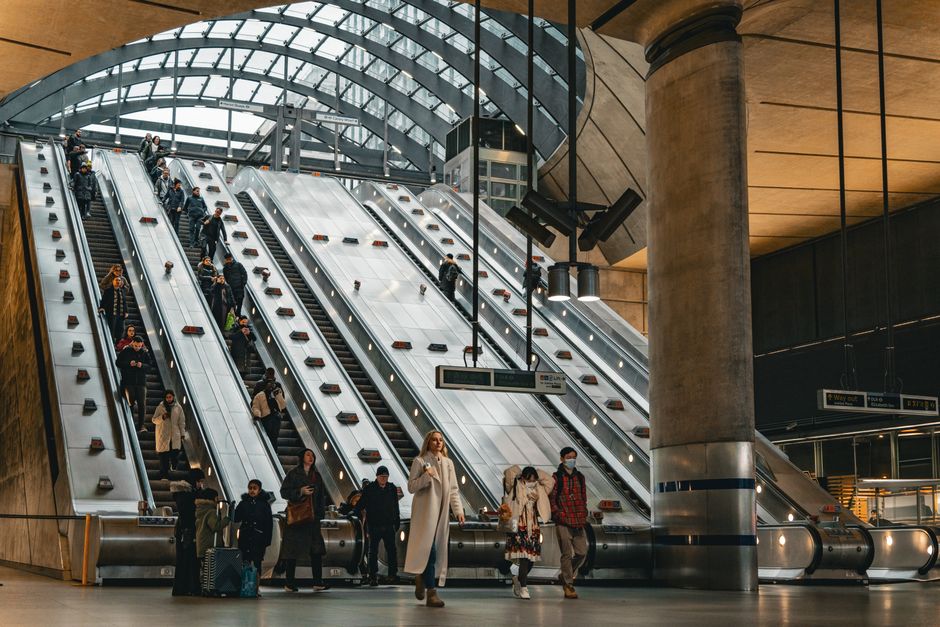
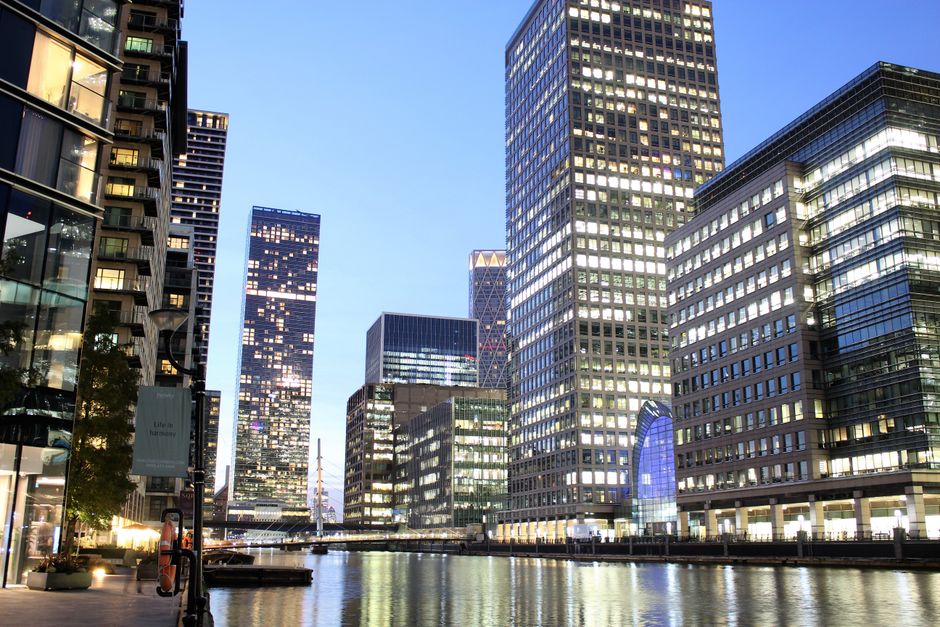
Canary Wharf is a major business district in East London, centred on the Isle of Dogs and closely associated with modern office development, tall buildings and a strongly commercial riverside landscape. The area grew rapidly from former docklands, with large-scale regeneration reshaping the waterfront and creating one of the capital’s best-known financial and corporate centres. Its streets, squares and pedestrian routes are planned around office life, retail use and transport connections rather than a traditional high-street pattern, which gives the district a distinctive urban character. The skyline is dominated by landmark towers and large office blocks, while nearby open spaces and waterside edges soften the density of the built environment. Cabot Square, Canada Square and the surrounding public realm are familiar parts of the district, and the area connects into wider Docklands history through canals, basins and former maritime infrastructure. Canary Wharf station, the broader transport network and the surrounding footpaths have made it a highly legible place for people moving between workplaces, shops and the riverside. Although it is often described through its business function, the area also contains public art, dining spaces and a regular flow of workers and visitors that gives it a lively daytime rhythm. The built environment reflects late twentieth-century and twenty-first-century development, with glass, steel and formal landscaping playing a central role in the district’s identity.
Clear office items with a practical plan
Some office clearances are straightforward, but others involve a layered set of decisions about furniture, storage, equipment and building access. That is why we treat each job as a planned removal rather than a generic collection. If a premises contains a reception area, meeting rooms and back-office storage, the work can be staged so the clearance keeps moving without leaving awkward obstructions behind. The aim is a tidy handover and a sensible use of labour on the day.
We can also handle the practicalities around mixed contents when a business is preparing for refit, closure or relocation. Where extra materials have accumulated, the clearance may extend beyond furniture and include broader items that have become redundant over time. For businesses that prefer to discuss the broader commercial waste picture first, pricing and quotes is a useful destination for understanding how an enquiry can be framed around the scope of work and the type of contents involved.
If you are comparing options, think about what matters most in your premises: speed, careful sorting, minimal interruption or the removal of awkward bulky items. A well-planned clearance can support all of those aims, but the order of work should always follow the site. Tell us what needs to be cleared, and we can shape the quotation around the actual job rather than around a vague estimate of office size.
Request a quotation for your office clearance

If your office in Canary Wharf needs desks, chairs, storage, equipment or mixed contents cleared, a clear quotation is the best starting point. A brief summary of the rooms involved, the type of items present and any access limits is usually enough to begin planning the work. That helps keep the discussion focused on the clearance itself, rather than on guesswork or assumptions about what the premises contain.
For jobs that include additional waste streams, awkward furniture or a need to clear several spaces in one visit, it is useful to outline the whole scope at the same time. The more clearly the contents are described, the easier it is to match the work to the correct level of removal and disposal. If you also need to contact the team directly, use contact us to start the conversation and request a quotation for the work.
Whether the clearance is part of a move, a refit or a straightforward end-of-use handover, we can help you plan it in a practical way. Send the room list, item summary and access details when you are ready, and we will take it from there. For a broader service overview, you can also return to office clearance as the main page for this type of work.